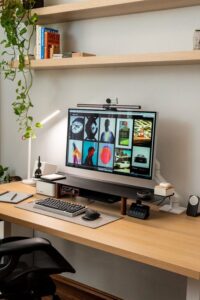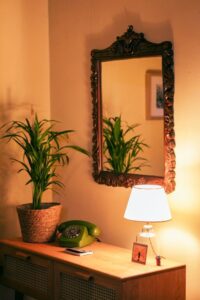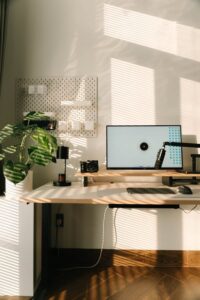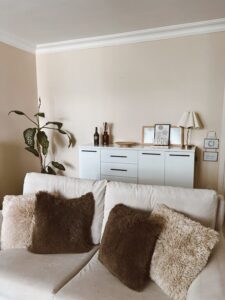
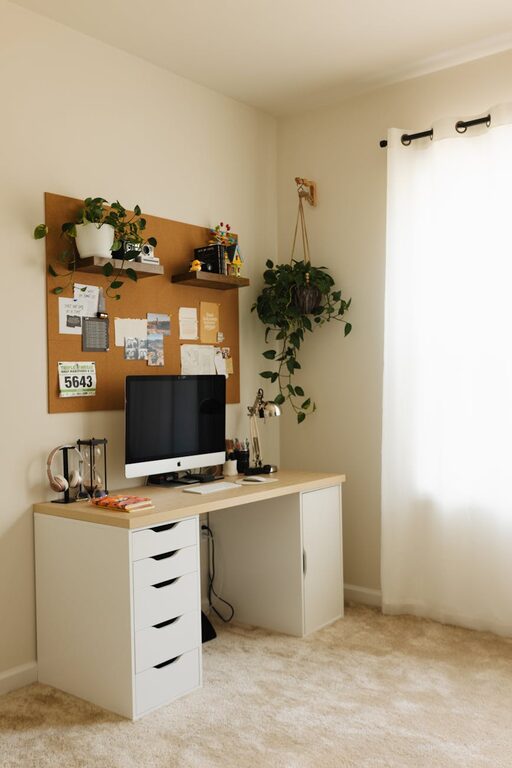
Creating a home workspace that feels both relaxing and productive can make a significant difference to how you work and how you feel. A well-designed area encourages focus, reduces stress, and supports your overall wellbeing. Whether you’re new to working from home or looking to improve your current setup, these tips will help you create an environment where you can thrive.
Why a Relaxing Workspace Matters
Your workspace isn’t just a place to get tasks done. It influences your mood, motivation, and health. A cluttered or uncomfortable area can lead to distractions, fatigue, and tension. Conversely, a calm and thoughtfully arranged space can enhance concentration, creativity, and even your happiness throughout the day.
Choose the Right Spot
Natural Light is Key
Whenever possible, position your desk near a window. Natural light helps regulate your body clock, reduces eye strain, and lifts your mood. If natural light isn’t available, invest in quality daylight bulbs to mimic its effect.
Minimise Noise and Distractions
Find a quiet area where household noise is limited. Consider using noise-cancelling headphones or a white noise machine if external sounds can’t be avoided.
Invest in Comfort and Ergonomics
Ergonomic Chair and Desk
A chair that supports good posture is essential. Look for one with adjustable height, back support, and cushioning. The desk should allow your elbows to rest comfortably at a 90-degree angle when typing.
Screen Height and Keyboard Placement
Set your computer screen at eye level to avoid neck strain. Your keyboard and mouse should be at a height that doesn’t force your wrists to bend uncomfortably.
Declutter and Organise
Keep Surfaces Clear
A cluttered desk can overwhelm the mind. Store documents, stationery, and gadgets out of sight when not in use. Use drawers, shelves or organisers to maintain a neat space.
Use Practical Storage Solutions
Consider labelled boxes, filing cabinets or trays to keep items organised. This saves time searching for things and keeps your work area visually appealing.
Personalise Without Overcrowding
Adding a few personal touches can make your workspace feel inviting. Choose items that inspire you—a plant, artwork, or a photo. Avoid overcrowding, as too many objects can cause distractions rather than comfort.
Incorporate Nature
Plants improve air quality and introduce a calming natural element. Easy-care options like spider plants, succulents or peace lilies suit busy schedules and low-light environments.
Manage Lighting Thoughtfully
In addition to natural light, have adequate task lighting. A desk lamp with adjustable brightness helps during darker hours without causing glare on your screen.
Maintain Good Air Quality
Ensure your workspace is well-ventilated. Poor air quality can impair concentration and wellbeing. Opening a window regularly or using an air purifier can help keep the air fresh.
Take Breaks and Move
A relaxing workspace isn’t just about the physical environment—it’s also about habits. Schedule regular breaks to stretch, walk or simply rest your eyes. Movement reduces fatigue and supports mental clarity.
Use Calming Colours
Choose colours that promote relaxation and focus. Light blues, greens, and neutral shades are often recommended. Avoid overly bright or distracting hues in your workspace.
Implement Quiet Zones
If your work involves calls or focused tasks, create designated quiet zones. This can be as simple as using a privacy screen or a corner with a sound-absorbing panel.
Manage Technology Wisely
Limit Digital Clutter
Keep only essential apps and files visible on your computer desktop. Use productivity tools to stay organised but avoid overloading your screen.
Cable Management
Tidy cables with clips or sleeves to reduce visual chaos and the risk of tangling. A clean setup looks more inviting and is safer.
Practical Daily Habits
Set Clear Boundaries
Define your working hours and stick to them. A relaxing workspace supports switching off at the end of the day, helping maintain work-life balance.
End of Day Ritual
Spend a few minutes tidying your workspace before finishing each day. This practice helps you transition out of work mode and enjoy your personal time.
—
By combining these practical tips, you can create a home workspace that not only boosts your productivity but also supports your mental and physical wellbeing. Remember, your environment shapes your work experience—making it calm and comfortable benefits both your professional output and your quality of life.