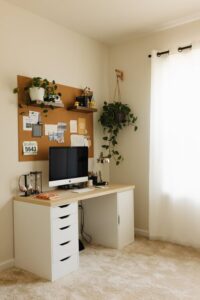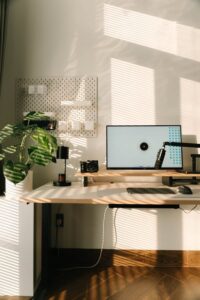
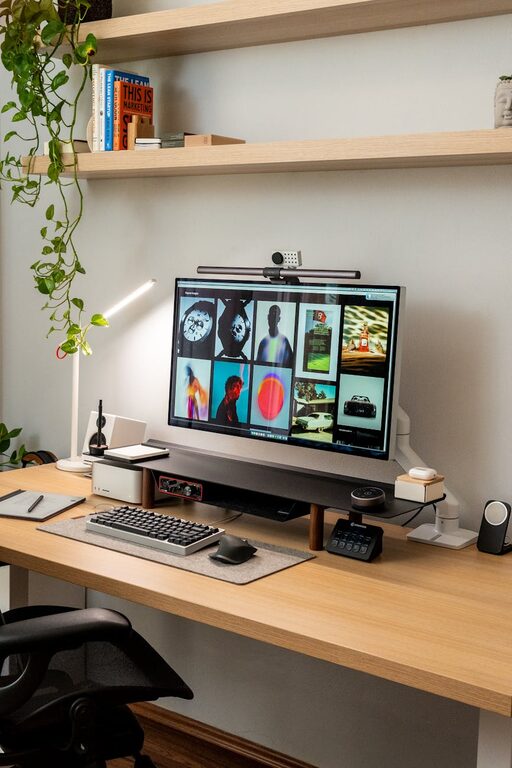
Creating a productive home office environment is essential for anyone working remotely or running a business from home. A well-designed workspace not only increases focus and efficiency but also supports your physical and mental well-being. This guide shares practical tips to help you set up a home office that inspires productivity and comfort.
Choose a Dedicated Workspace
One of the first steps to creating a productive home office is to select a dedicated area for work. This separation helps your brain associate the space with focus and reduces distractions.
– Pick a quiet spot: Try to find a room or corner away from household noise and distractions.
– Adequate space: Ensure there is enough room for your desk, chair, and any equipment you need.
– Natural boundaries: Use bookshelves, screens, or rugs to define the workspace, especially if you don’t have a separate room.
Invest in Ergonomic Furniture
Comfort influences productivity significantly, especially when you spend hours at your desk.
– Ergonomic chair: Choose a chair with good lumbar support and adjustable height to maintain proper posture.
– Desk height: Your desk should allow you to keep your arms at a comfortable angle when typing.
– Monitor placement: Position screens at eye level to avoid neck strain.
– Foot support: Use a footrest if your feet do not comfortably touch the floor.
Optimise Lighting
Lighting affects both mood and productivity. Proper light reduces eye strain and keeps you alert.
– Natural light: Position your desk near a window to benefit from daylight, which improves well-being.
– Avoid glare: Place your screen perpendicular to windows to minimise reflection.
– Quality artificial light: Use adjustable desk lamps with warm to neutral white light for overcast days or evening work.
– Light layering: Combine ambient, task, and accent lighting for a balanced feel.
Keep Your Workspace Organised
A clutter-free desk helps your mind stay clear and focused.
– Storage solutions: Use shelves, filing cabinets, and drawers to keep papers and supplies organised.
– Daily tidy-up: Spend a few minutes at the end of each day to clear your desk.
– Digital organisation: Maintain an orderly computer desktop and use folders and labels.
– Minimalism: Only keep essential items on your desk to reduce visual distractions.
Manage Noise and Distractions
Creating boundaries around noise and interruptions improves concentration.
– Noise-cancelling headphones: Useful for blocking out background noise.
– Soundproofing: If possible, use rugs, curtains, or acoustic panels to absorb sound.
– Set boundaries with others: Communicate your work hours to family or housemates to minimise interruptions.
– Use white noise: Consider background sounds or apps that create a consistent atmosphere.
Personalise Your Space
Adding personal touches can make your workspace more enjoyable and motivating.
– Plants: Bring some greenery to improve air quality and add calm.
– Artwork or photos: Display images that inspire or uplift you.
– Comfort items: Use cushions, blankets, or a favourite mug to add warmth.
– Colours: Choose colours that energise or soothe depending on your preference.
Establish a Routine
A productive environment is supported by good habits and structure.
– Set working hours: Define start and finish times to maintain balance.
– Regular breaks: Take short breaks to rest your eyes and stretch.
– Morning ritual: Create a routine to signal the start of the workday, such as making coffee or reviewing your to-do list.
– End-of-day routine: Clear your desk and plan for the next day to mentally separate work and personal time.
Utilise Technology Wisely
Technology tools can enhance your workflow but also cause distractions if not managed.
– Reliable internet: Ensure you have a fast and stable connection.
– Essential software: Use apps for task management, communication, and time tracking.
– Limit notifications: Turn off non-essential alerts during focused work periods.
– Backup data: Regularly save and back up your work to avoid loss.
Prioritise Comfort and Wellness
Your physical and mental health is vital for sustainable productivity.
– Stay hydrated: Keep water nearby and drink regularly.
– Move frequently: Stand up and stretch or walk around every hour.
– Air quality: Ventilate your workspace to keep fresh air circulating.
– Mindfulness: Incorporate breathing exercises or short meditation breaks to reduce stress.
—
By thoughtfully designing your home office with these tips, you can create a productive space that supports focus, comfort, and well-being. Remember, even small changes can have a big impact on your daily work experience. Keep experimenting with your setup until it feels right for you. Happy working!