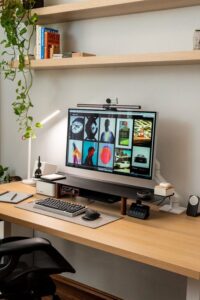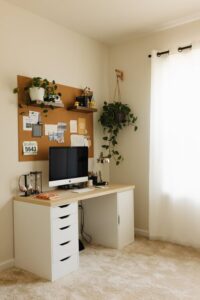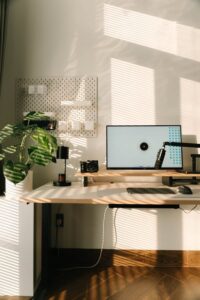
Working from home has become increasingly common, and having a well-designed home office plays a crucial role in ensuring you remain productive and comfortable throughout the day. Whether you are working full-time from home or using the space occasionally, creating a dedicated workspace can help separate professional duties from personal life. Here are some practical tips to help you design a home office environment that supports focus, efficiency, and comfort.
Choose the Right Location
Selecting the best spot for your home office is the foundation of a productive workspace. Try to find a quiet, well-lit area with minimal distractions. If possible, use a room with a door so you can close it off during work hours.
Consider Natural Lighting
Natural light boosts mood and energy, so choose a space near a window if you can. Position your desk so that light comes from the side rather than straight ahead or behind to avoid glare on your screen. If natural light is limited, invest in good quality artificial lighting that mimics daylight.
Invest in Ergonomic Furniture
Comfort is essential when spending long hours working. Ergonomic furniture supports good posture, reducing strain and preventing discomfort.
– Desk: Choose a desk that suits your space and provides enough surface area for your equipment and documents.
– Chair: Select an adjustable chair with good lumbar support. Your feet should rest flat on the floor, with thighs parallel to the ground.
– Accessories: Consider items like a footrest, wrist pads, or monitor stands to enhance comfort and ergonomics.
Organise Your Workspace
A tidy, organised workspace helps reduce stress and increases efficiency.
– Storage solutions: Use shelves, filing cabinets, or desk organisers to keep papers and supplies neatly arranged.
– Cable management: Use clips or cable organisers to prevent cords from tangling and creating clutter.
– Declutter regularly: Schedule time each week to clear unnecessary items to maintain a clean space.
Create a Personalised and Motivating Atmosphere
While professionalism is important, personal touches make your workspace inviting and improve motivation.
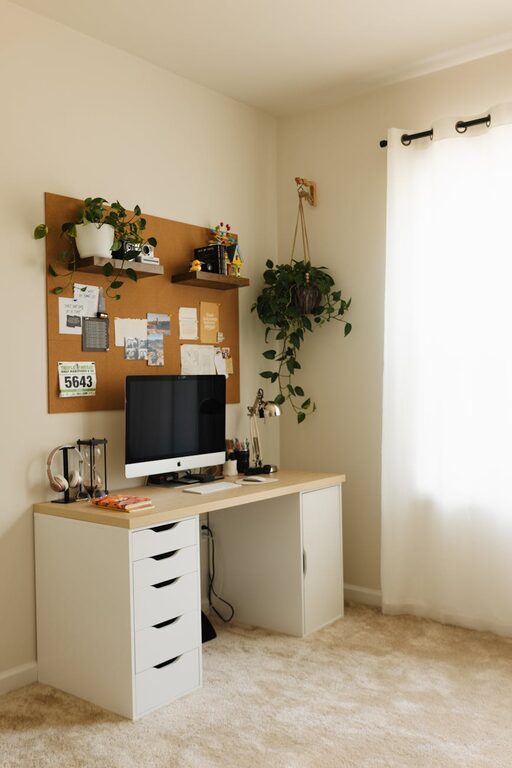
– Decorate carefully: Choose calming colours, inspiring artwork, or plants to add life to your office.
– Incorporate plants: Indoor plants improve air quality and have been shown to boost mood and productivity.
– Keep essentials handy: Items like a water bottle, notepad, or coffee mug nearby can help keep you comfortable and focused.
Minimise Distractions
Distractions can derail concentration and productivity, so it’s important to create an environment that encourages focus.
– Noise control: Use noise-cancelling headphones or white noise machines if external sounds interrupt your work.
– Manage technology: Turn off non-essential notifications on your computer and phone during work hours.
– Set boundaries: Communicate your work schedule to family members or housemates to reduce interruptions.
Optimise Technology and Equipment
Having the right tools helps streamline your work and reduces frustration.
– Reliable internet: Ensure your internet connection is fast and stable.
– Ergonomic peripherals: Use a quality keyboard and mouse suited to your comfort.
– Multiple screens: If your work involves multitasking, consider using two monitors for better efficiency.
– Backup power: A surge protector or uninterruptible power supply (UPS) can prevent data loss during outages.
Maintain Good Air Quality and Temperature
Comfort isn’t just about furniture — the overall environment matters too.
– Ventilation: Ensure your space has fresh air circulation to stay alert.
– Temperature: Adjust heating or cooling to a comfortable level. Consider a fan or heater if necessary.
– Humidity: Use a humidifier in dry seasons to prevent dry skin or irritation.
Establish a Routine and Take Breaks
Even the best setup won’t guarantee productivity without good work habits.
– Set regular hours: Structure your day with consistent start and finish times.
– Take movement breaks: Stand, stretch, or take short walks to reduce fatigue and boost circulation.
– Step outside: Breaks in natural surroundings can refresh your mind and improve creativity.
Conclusion
Creating a productive and comfortable home office is a balance of thoughtful design, quality equipment, and healthy habits. By carefully selecting your office location, investing in ergonomic furniture, organising your space, and minimising distractions, you set yourself up for success. Remember to personalise your environment, maintain good air quality, and take regular breaks to keep both body and mind in good shape. With these tips, your home office can become a space where you enjoy working and excel in your tasks.