Working from home has become a common part of many people’s daily routines. While it offers flexibility, it also presents unique challenges, especially when it comes to maintaining productivity and comfort. One of the most effective ways to overcome these challenges is by creating a relaxing home workspace tailored to your needs. In this post, we’ll explore practical tips to help you design a space that promotes focus, reduces stress, and makes your work hours more enjoyable.
Why a Relaxing Workspace Matters
A calm and well-organised workspace is more than just a nice place to sit. It influences your mood, efficiency, and even your physical wellbeing. When your environment feels cluttered or uncomfortable, it can increase stress and distract you from your tasks. On the other hand, a serene and inviting space encourages concentration, creativity, and a positive mindset—all crucial for getting work done effectively.
Choose the Right Location
Consider Natural Light
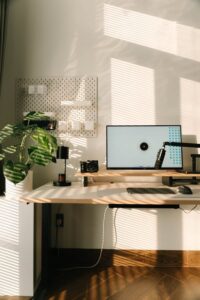
If possible, set up your workspace near a window. Natural light helps to regulate your body clock, improves mood, and reduces eye strain. Position your desk so that the light doesn’t cause glare on your screen.
Quiet and Privacy
Choose a spot where you can avoid interruptions and noise. This could be a spare room, a corner in your living room, or even a specially designed nook. The goal is to have a place where you can focus calmly without constant distractions.
Invest in Comfortable Furniture
Ergonomic Chair and Desk
Spending hours sitting can lead to discomfort or long-term health issues. An ergonomic chair that provides proper back support is essential. Similarly, your desk should be at a height that allows your arms to rest comfortably while typing.
Personalise with Style
While function is important, so is enjoyment. Choose furniture and accessories that reflect your style but maintain simplicity. Cluttered or overly busy spaces can hinder your ability to concentrate.
Declutter and Organise
Keep Surfaces Clear
A clean desk can make a huge difference to your mental clarity. Use organisers, trays and drawers to keep stationery, papers, and electronics neatly stored.
Manage Cables and Devices
Tidy cables and charging stations reduce visual chaos. Consider cable organisers or wireless devices to maintain a neat environment.
Incorporate Calming Elements
Colours and Decor
Soft, neutral colours like blues, greens, or greys encourage relaxation. Avoid overly bright or harsh hues that may cause fatigue.
Plants and Nature
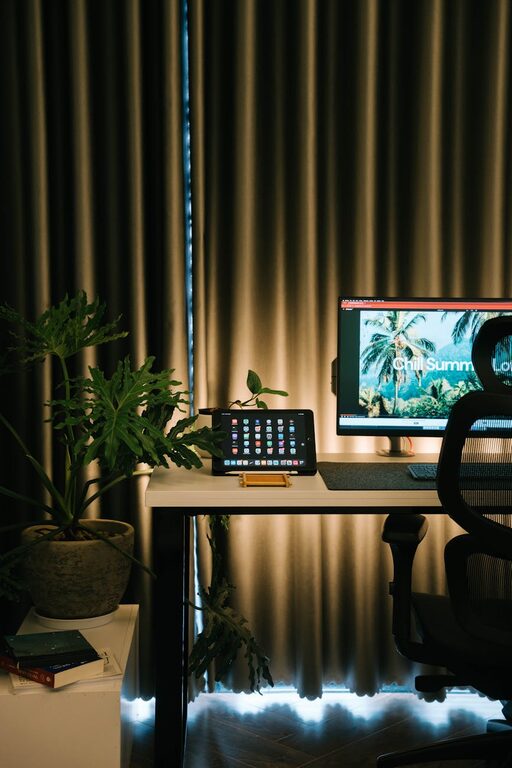
Adding some greenery not only improves air quality but also has a calming effect. Choose low-maintenance indoor plants like succulents, spider plants or peace lilies.
Personal Touches
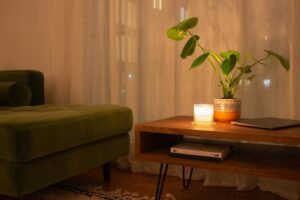
Photos, artwork or meaningful objects can make the space feel inviting without being distracting. A small essential oil diffuser or a scented candle can also add a soothing atmosphere.
Manage Lighting Effectively
Layered Lighting
Use a combination of ambient, task, and accent lighting. A desk lamp with adjustable brightness helps reduce eye strain during focused work.
Avoid Harsh Fluorescent Lights
If possible, substitute fluorescent lighting with warmer LED bulbs that mimic natural light to create a cozier feel.
Maintain Proper Air Quality
Ventilation
Ensure good airflow by opening windows regularly or using a fan. Fresh air keeps you alert and reduces fatigue.
Humidity Control
If the air feels too dry, especially in colder months, consider a small humidifier. Proper humidity levels protect your skin and respiratory health.
Establish Boundaries
Define Work Hours
Having clearly defined work times helps separate your professional life from home life, reducing stress.
Limit Distractions
Inform family or housemates of your working hours. Use noise-cancelling headphones if needed to maintain focus.
Take Breaks and Move Around
Short Regular Breaks
Step away from your desk every hour or so for a few minutes to stretch or walk around. This refreshes your mind and reduces physical tension.
Incorporate Movement
Consider a standing desk or a desk converter to alternate between sitting and standing during the day. Movement improves circulation and increases energy.
Keep Technology Organised and Updated
Efficient Tools
Choose devices and software that suit your workflow to avoid frustration.
Regular Updates and Maintenance
Keep your computer and applications up to date to reduce technical issues and enhance productivity.
Final Thoughts
Creating a relaxing home workspace is an investment in your well-being and work efficiency. By choosing a comfortable location, organising your surroundings, and incorporating calming elements, you set yourself up for success. Remember, the ideal workspace is personal and adaptable, so feel free to experiment and adjust until you find what works best for you.
With a thoughtful approach, your home office can become a haven of productivity and comfort, helping you accomplish your goals with less stress and more satisfaction.